On November 1st, clocks fall back and days get noticeably shorter, almost overnight. For most people, the bi-annual time change is a minor inconvenience. But for millions more, it marks the beginning of a months-long struggle with seasonal depression, energy, and motivation that may last until spring.
October is the perfect time to talk about this phenomenon, before the darker days set in and symptoms have a chance to take hold. Whether you’ve experienced Seasonal Affective Disorder (SAD) in the past or have simply noticed that winter tends to hit you harder than it probably should, what you do now can meaningfully shape how the next several months feel.
What Is Seasonal Affective Disorder?
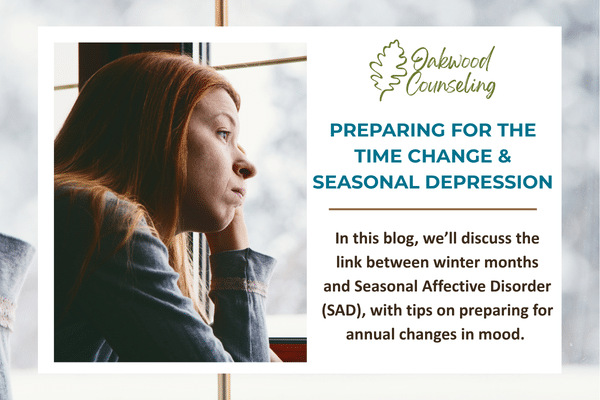
Seasonal Affective Disorder, or SAD, isn’t just a case of “winter blues.” SAD is recognized as a type of Major Depressive Disorder (MDD) with a seasonal depression pattern, meaning its symptoms are serious, recurrent, and significant enough to interfere with daily functioning. The most common form begins in the fall or early winter and lifts by spring, though a less common summer version also exists.
About 5% of U.S. adults experience SAD for approximately 40% of the year. Another 10% to 20% may experience a milder form that falls short of a clinical diagnosis but still affects daily life. Taken together, this means a substantial portion of the population experiences some degree of seasonal depression every year, and some may not even know it.
Why the Time Change Makes SAD Worse
“Fall back” isn’t just a scheduling inconvenience. It can have a measurable effect on mental health. In fact, a large Danish study found that the transition is associated with an 11% increase in depressive episodes. This is partly because when the clocks fall back, we experience more darkness, more often, which in turn can lead to issues with our sleep patterns – and good sleep is vital for protecting our mental health. Losing even a small amount of evening light disrupts circadian rhythms, suppresses serotonin production, and increases melatonin during waking hours, a biological combination that sets the stage for low mood, fatigue, and withdrawal.
Who Is Most at Risk for Seasonal Depression
SAD is four times more common in women than in men, with the age of onset typically estimated between 18 and 30. Risk also increases with geographic location, as those living farther north, where winter days are shorter, are more susceptible than those closer to the equator. That said, SAD can and does occur in southern states, particularly in individuals who are already prone to depression or who have a family history of mood disorders.
People with existing mental health conditions, such as depression, bipolar disorder, ADHD, or anxiety, are also at elevated risk for SAD, even if they don’t meet the full criteria.
Recognizing the Symptoms
SAD shares many symptoms with major depression, but also has some features that are more specific to its seasonal pattern. Symptoms that are typically more common in seasonal depression than in other forms of depression include carbohydrate craving, increased appetite, excessive sleepiness, and weight gain. Other common signs of SAD include:
- Persistent low energy and fatigue, even after adequate sleep
- Loss of interest in otherwise enjoyable activities, relationships, or routines
- Difficulty concentrating or making decisions
- Withdrawal from social contact
- Depressed mood, irritability, or emotional numbness
- A strong pull toward sleeping more and staying indoors
It’s important to note that SAD symptoms can vary from mild to severe and can include many symptoms similar to major depression. If what you’re experiencing feels like more than a rough patch, it probably warrants a conversation with a professional.
What to Do Now, Before Seasonal Depression Hits
The predictable timing of SAD is an advantage. Because symptoms follow a reliable seasonal pattern, October is genuinely the best time to act, before the hardest months of January and February arrive.
Start Light Therapy Early
Since the 1980s, light therapy has been a preferred treatment for winter SAD. It involves sitting in front of a 10,000-lux light box for 30 to 45 minutes each morning, ideally within the first hour of waking. Setting a reminder to begin light therapy in early fall, before symptoms appear, is one of the most proactive steps someone with a history of SAD can take.
Protect Your Sleep Schedule
The time change disrupts circadian rhythms that are already under pressure from shorter days. Getting enough sleep is an important part of managing seasonal depression, but it’s important not to sleep too much, as SAD symptoms often lead people to feel like hibernating. Aim for consistent sleep and wake times, even on weekends.
Get Moving Outside
Spending time outdoors during daylight hours and getting at least 10 to 15 minutes of natural light daily, regardless of temperature, provides mood benefits that artificial lighting cannot fully replicate. Pairing outdoor time with physical activity is even better, as regular exercise is one of the most consistently supported tools for managing depressive symptoms.
Maintain Your Social Connections
Isolation is both a symptom and an accelerant of seasonal depression. Making deliberate plans to stay connected, even when the pull to stay home is strong, helps counteract the withdrawal that SAD tends to encourage. Telling trusted friends or family members that winter is hard for you can make it easier to lean on them when it is.
Consider Therapy Now
Treatments like Cognitive Behavioral Therapy (CBT) are tailored for SAD and may offer better long-term prevention against recurrence. Starting therapy in October, while you still have energy and capacity, means you’ll have tools and support already in place before the hardest months arrive.
The Difference Between Winter Blues and More Serious Symptoms
Not everyone who struggles in winter has SAD, and not everyone with seasonal depression needs the same level of support. Some people do well with lifestyle adjustments and light therapy. Others benefit from therapy, medication, or a combination.
A useful question to ask yourself: is what I experience in winter a normal seasonal shift, or does it take me out of my life for months at a time? If the answer is the latter, that’s information worth acting on. If you have noticed significant changes in your mood and behavior when the seasons change, talk to a health care provider or mental health specialist.
Oakwood Counseling: Support Before the Hardest Months
At Oakwood Counseling, we offer compassionate adult counseling for individuals navigating seasonal depression, mood concerns, anxiety, and a full range of mental health challenges. We serve clients in person at our Bryan, Texas office and via telehealth anywhere in the state, so accessing care doesn’t require rearranging your schedule around a commute.
October is a genuinely good time to get a first appointment on the books. By the time November’s darker days arrive, you’ll already have support in place, and that head start makes a real difference.
Don’t wait for winter to get harder. Reach out to Oakwood Counseling to schedule an appointment, or call us at (979) 229-7636. We typically respond within 48 hours.
—–
Sources
Psychology Today
American Psychiatric Association
Seasonal Affective Disorder (SAD)
National Institute of Mental Health
Sharecare
Know the Signs of Seasonal Affective Disorder (Danish Study, Epidemiology 2017)
University of Colorado Anschutz
Daylight & Depression: A Look at Seasonal Affective Disorder
Mayo Clinic
Seasonal Affective Disorder: Diagnosis & Treatment
Rutgers Brain Health Institute
Beyond the Winter Blues: Shedding Light on SAD
Southern NH Health
9 Tips for Fighting Seasonal Affective Disorder
Mental Health America
Frequently Asked Questions
How long is each counseling session?
The standard session is 50 minutes, but we can adjust that for more or less time depending on your needs.
How often should I attend therapy?
Most begin with weekly sessions, but the frequency of your sessions is a decision you make in consultation with your therapist.
Do I need a diagnosis to start therapy?
No. You can start therapy anytime.
Contact Oakwood Counseling – College Station & Bryan, TX
Website: https://www.oakwoodcounseling.com/
Phone: (979) 229 7636
Location:1100 Briarcrest Dr Bryan, Texas 77802
Schedule your evaluation today.